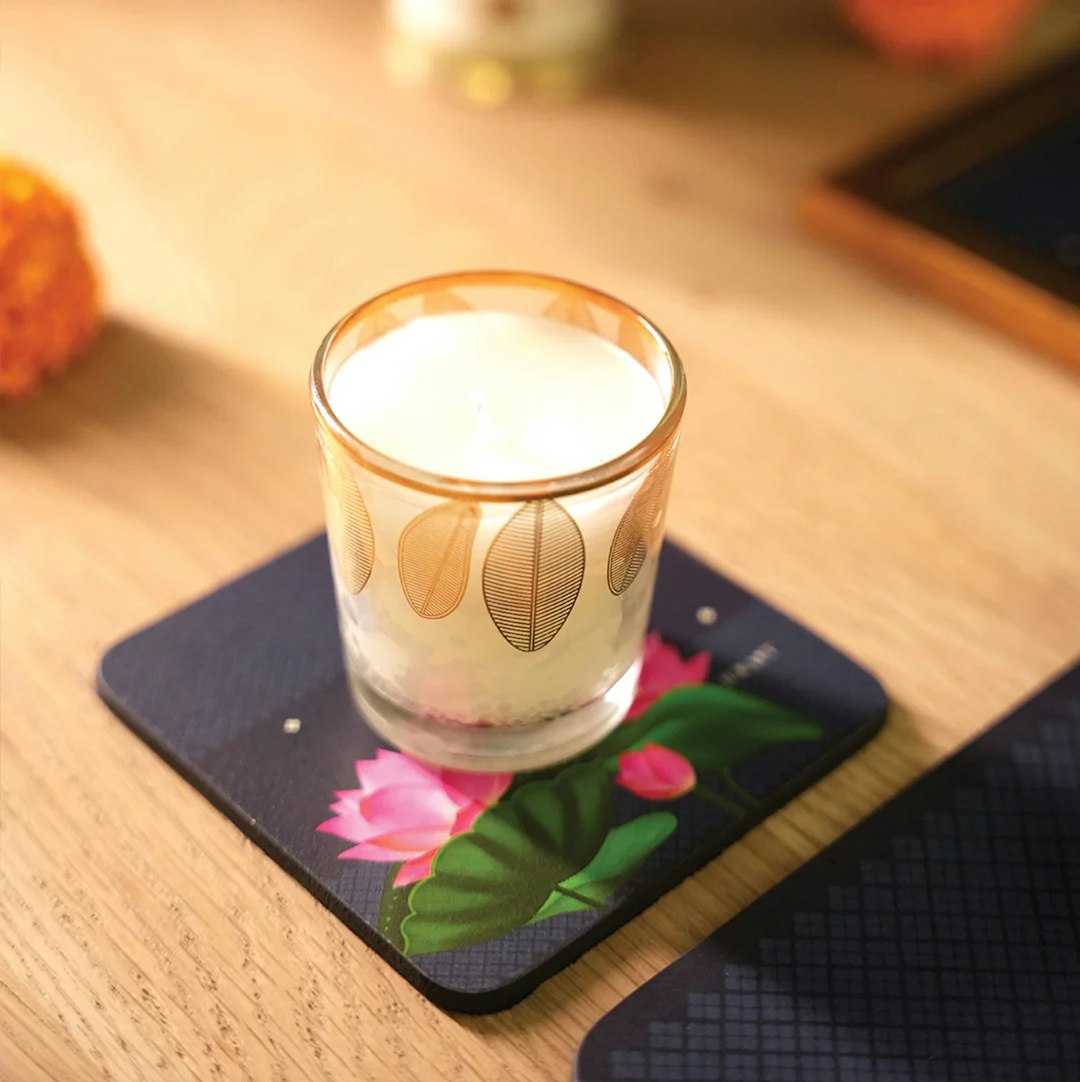
Perhaps no single element transforms a space as dramatically as lighting. The most beautifully furnished room can feel flat and uninviting with poor lighting, while even modest spaces come alive when illuminated thoughtfully. Understanding how to layer light, select appropriate fixtures, and control color temperature allows you to showcase your furniture investments while creating atmospheres that support how you actually live.
The Three Layers of Lighting
Professional designers approach lighting through three distinct layers, each serving specific purposes while working together to create balanced, functional illumination. Mastering this layered approach is fundamental to creating sophisticated interiors that feel both beautiful and livable.
Ambient Lighting: The Foundation
Ambient lighting provides overall illumination, the baseline that makes a space functional and navigable. This is your ceiling fixtures, recessed lighting, or large pendants that cast light broadly throughout the room. Think of ambient lighting as the canvas upon which you'll paint with more specific light sources.
The key to successful ambient lighting is avoiding the single, central overhead fixture that casts harsh shadows and flattens dimension. Instead, distribute ambient light from multiple sources—perhaps recessed cans around the perimeter, wall sconces, or a combination that provides even illumination without creating a spotlight effect.
Task Lighting: Functional Illumination
Task lighting provides focused illumination for specific activities—reading, cooking, working, applying makeup. These lights should be bright enough for detailed work without causing eye strain, positioned to eliminate shadows on your working surface.
- Reading lamps beside sofas and beds
- Under-cabinet lighting in kitchens
- Desk lamps in home offices
- Vanity lighting in bathrooms
- Pendant lights over kitchen islands
The mistake many make with task lighting is choosing fixtures that are either too decorative (providing insufficient light) or too utilitarian (detracting from the room's aesthetic). The best task lights balance function with style, becoming attractive design elements when not in use.
Accent Lighting: Creating Drama
Accent lighting adds depth, highlights architectural features, and showcases artwork or prized furniture pieces. This is where lighting becomes truly artistic, creating visual interest and drawing the eye to elements you want to emphasize. Picture lights over artwork, uplights on dramatic plants, or LED strips highlighting floating shelves all serve this purpose.
"Light is the magic ingredient that transforms furniture from objects into experiences, creating environments that shift throughout the day to support how we live, work, and rest."
Color Temperature and Mood
The color temperature of light bulbs, measured in Kelvin, profoundly affects how spaces feel and how colors appear. Understanding this helps you select appropriate bulbs for different spaces and purposes, creating cohesion throughout your home while supporting different activities and moods.
Warm White (2700K-3000K)
Warm white light mimics traditional incandescent bulbs, creating cozy, inviting atmospheres perfect for living rooms, bedrooms, and dining areas. This temperature enhances warm tones in wood furniture and makes skin tones appear flattering and healthy. It's ideal for spaces where you want to relax and unwind, signaling to your body that it's time to slow down.
Neutral White (3500K-4100K)
Neutral white provides clean, crisp illumination without the yellow cast of warm bulbs or the blue tone of daylight bulbs. This versatile temperature works well in kitchens, bathrooms, and home offices where you need clear visibility without harsh coldness. It renders colors accurately while maintaining a welcoming feel.
Cool White/Daylight (5000K-6500K)
Cool white light closely mimics midday sunlight, providing energizing illumination that enhances concentration and alertness. While excellent for task-oriented spaces like workshops or laundry rooms, it can feel harsh and uninviting in living areas. Use sparingly in homes, reserving it for spaces where accurate color rendering and energy are priorities.
Lighting Different Room Types
Living Rooms: Flexible and Layered
Living rooms demand the most flexible lighting since they host diverse activities—entertaining, watching television, reading, conversation. Start with dimmable ambient lighting that can adjust from bright for social gatherings to low for movie watching. Add task lighting beside seating areas for reading, and incorporate accent lights to highlight artwork, architectural features, or beautiful furniture pieces.
Consider installing multiple circuits controlled by different switches, allowing you to create various lighting scenes appropriate for different occasions. Table lamps, floor lamps, and wall sconces on separate circuits provide maximum flexibility, letting you dial in the perfect atmosphere for any activity.
Kitchens: Bright and Shadow-Free
Kitchen lighting prioritizes function while supporting the room's increasing role as social space. Layer ambient recessed lighting with task lights under cabinets and over islands. If your kitchen includes a dining area, add a statement pendant or chandelier on a dimmer, creating separation between cooking and dining zones.
The key to kitchen lighting is eliminating shadows in work areas. Under-cabinet lights prevent shadows when working at counters, while pendant lights directly over islands ensure you're not working in your own shadow. Choose warm white or neutral white temperatures—avoid cool white, which can make food look unappetizing.
Bedrooms: Calm and Controllable
Bedroom lighting should support both relaxation and specific tasks like dressing or reading. Install dimmable ambient lighting—perhaps a flush mount or semi-flush fixture on the ceiling—supplemented by bedside table lamps or wall-mounted reading lights. If space includes a sitting area, add a floor lamp for reading or conversation.
Avoid overhead lights pointing directly at the bed; waking to bright light shining in your eyes feels harsh and disorienting. Instead, create gentle pools of light around the room's perimeter that can be controlled independently, allowing partners to read while the other sleeps.
Choosing Fixtures That Enhance Your Style
Light fixtures are both functional tools and significant design elements. The chandeliers, pendants, sconces, and lamps you select contribute substantially to your home's aesthetic, either reinforcing your design vision or undermining it with conflicting styles.
Scale and Proportion
Perhaps the most common mistake in fixture selection is choosing pieces that are too small for their space. A tiny pendant over a large dining table looks lost and provides insufficient light, while an oversized chandelier in a small room feels oppressive. General rules suggest dining room chandeliers should be about half the table width, while foyer fixtures should be roughly one inch in height per foot of ceiling height.
Material and Finish Consistency
Select fixture finishes that coordinate with other metals in your space—cabinet hardware, faucets, furniture details. You needn't match everything exactly, but maintaining a cohesive metal family (all warm-toned or all cool-toned) creates visual harmony. Mixing metals can work beautifully when done intentionally, but requires a confident eye to avoid appearing chaotic.
Smart Lighting for Modern Living
Smart lighting technology has evolved beyond gimmicky color-changing bulbs to become genuinely useful, allowing unprecedented control over your home's illumination. Smart bulbs and switches enable you to adjust brightness and color temperature throughout the day, supporting your circadian rhythm by providing energizing cool light in morning and warm, relaxing light in evening.
Create lighting scenes for different activities—"Dinner Party" might brighten dining areas while dimming living spaces, while "Movie Night" could lower all lights except subtle accent illumination. Program schedules that gradually brighten lights in morning and dim them at night, or control lights remotely to enhance security when traveling.
Natural Light Optimization
The best lighting design starts with maximizing and controlling natural light. While artificial lighting is essential, nothing compares to the quality and psychological benefits of daylight. Position furniture to take advantage of natural light without creating glare on screens or causing upholstery to fade.
Use window treatments that offer flexibility—sheer curtains that filter harsh midday sun while maintaining visibility, paired with heavier drapes that provide privacy and light blocking when needed. Consider how sunlight moves through your space across seasons; summer's high-angle sun behaves very differently than winter's low rays.
The Investment in Good Lighting
Quality lighting represents one of the most cost-effective ways to enhance your home's appearance and functionality. While premium fixtures cost more initially, they provide better light quality, last longer, and contribute significantly to your space's aesthetic appeal. Similarly, investing in quality LED bulbs with excellent color rendering (look for CRI ratings above 90) ensures your beautiful furniture and carefully selected colors appear as intended.
Consider lighting not as an afterthought but as integral to your design vision as furniture selection. The right lighting doesn't just illuminate—it transforms, enhances, and completes your space, allowing every other design investment to shine at its best. In doing so, it creates a home that's not just beautiful in photos but truly wonderful to live in every hour of every day.